On March 3rd, President Wang Xiaofan went to the College of Science for research, comprehensively understanding the overall development of the college, focusing on listening to the existing measures and work plans of the college's public basic course reform, and providing directional guidance and suggestions for the future development of the College of Science. Chen Fangmin, Deputy Director of the School Party and Government Office, Jiang Chao, Deputy Director of the Academic Affairs Office, all members of the Party and government team of the School of Science, and teacher representatives attended the meeting.
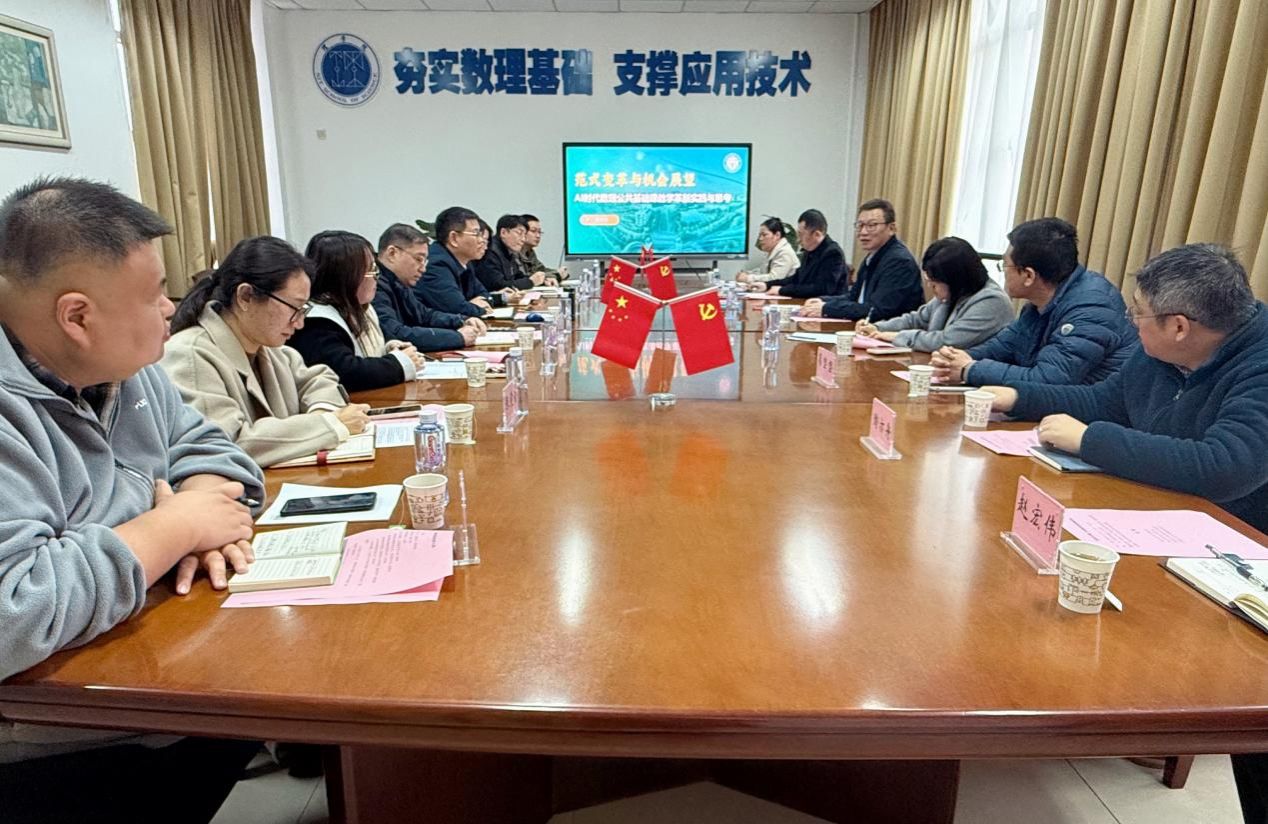
Chen Lei, Secretary of the Party Committee of the College of Science, introduced the faculty strength, teaching status, and reform exploration of the College of Science under the title of "Paradigm Change and Opportunity Outlook: Practice and Reflection on the Reform of Mathematics and Science Public Basic Course Teaching in the AI Era", focusing on the progress, ideas, and measures of the reform of public basic courses in the AI era. The School of Science will continue to explore the layout of AI enabled public basic course teaching, optimize the structure of teaching content, and reshape the knowledge architecture; Adopting blended and project-based teaching to stimulate learning vitality; Enhance AI literacy and strengthen teaching innovation; Adjust teaching arrangements and flexible team organization in order to teach the first course of college well and help students fasten their first button in life.
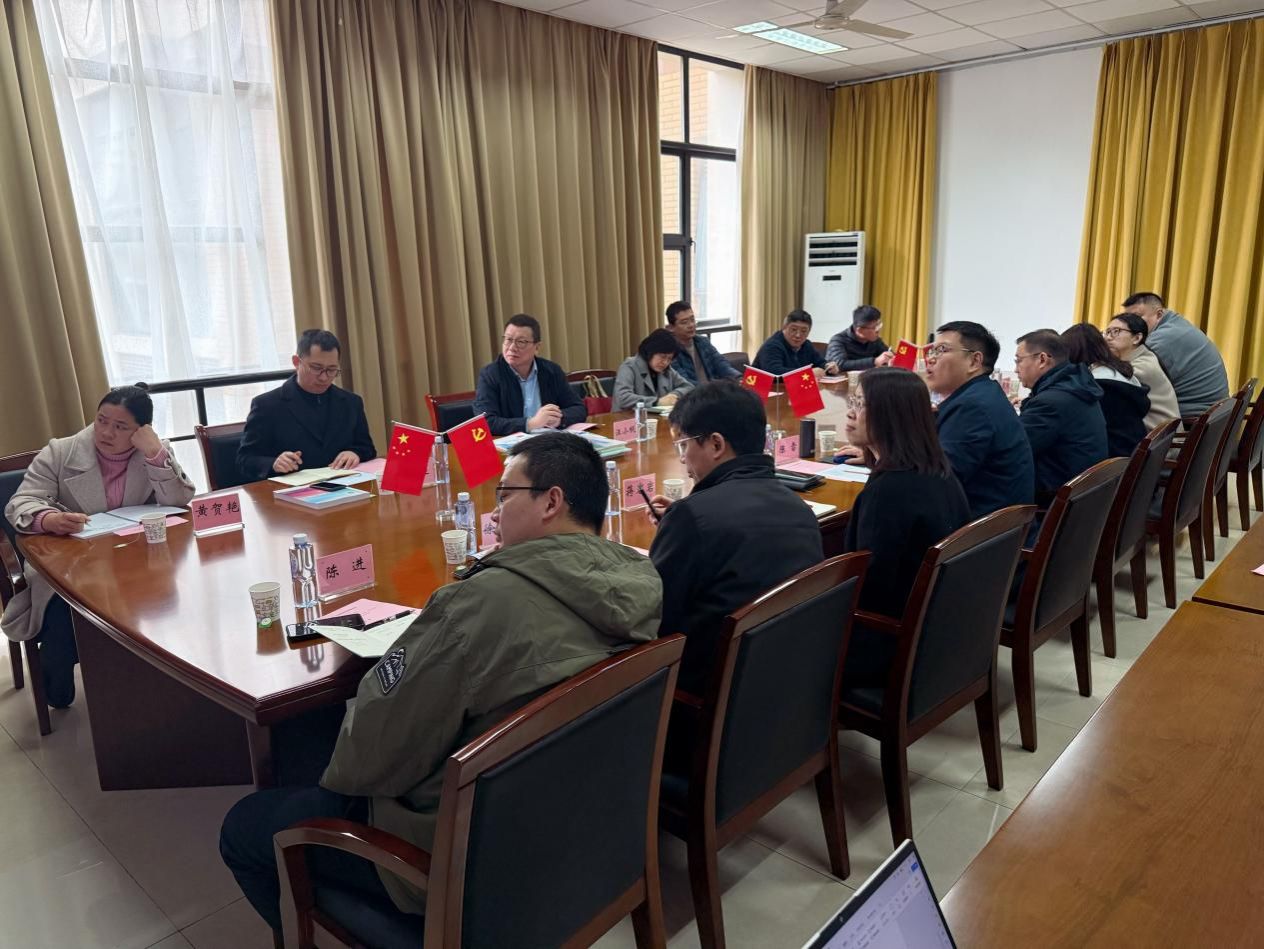
Ge Jianjian, the person in charge of the construction of University Physics (Shanghai AI+Key Course), reported on the construction project of the University Physics Knowledge Graph, focusing on the implementation path of integrating AI teaching assistants into the physics curriculum direction, providing innovative ideas for the timely and personalized two-way interactive learning of AI integration into teaching. Subsequently, other members of the leadership team and teachers of the School of Science conducted separate reports and exchanges.
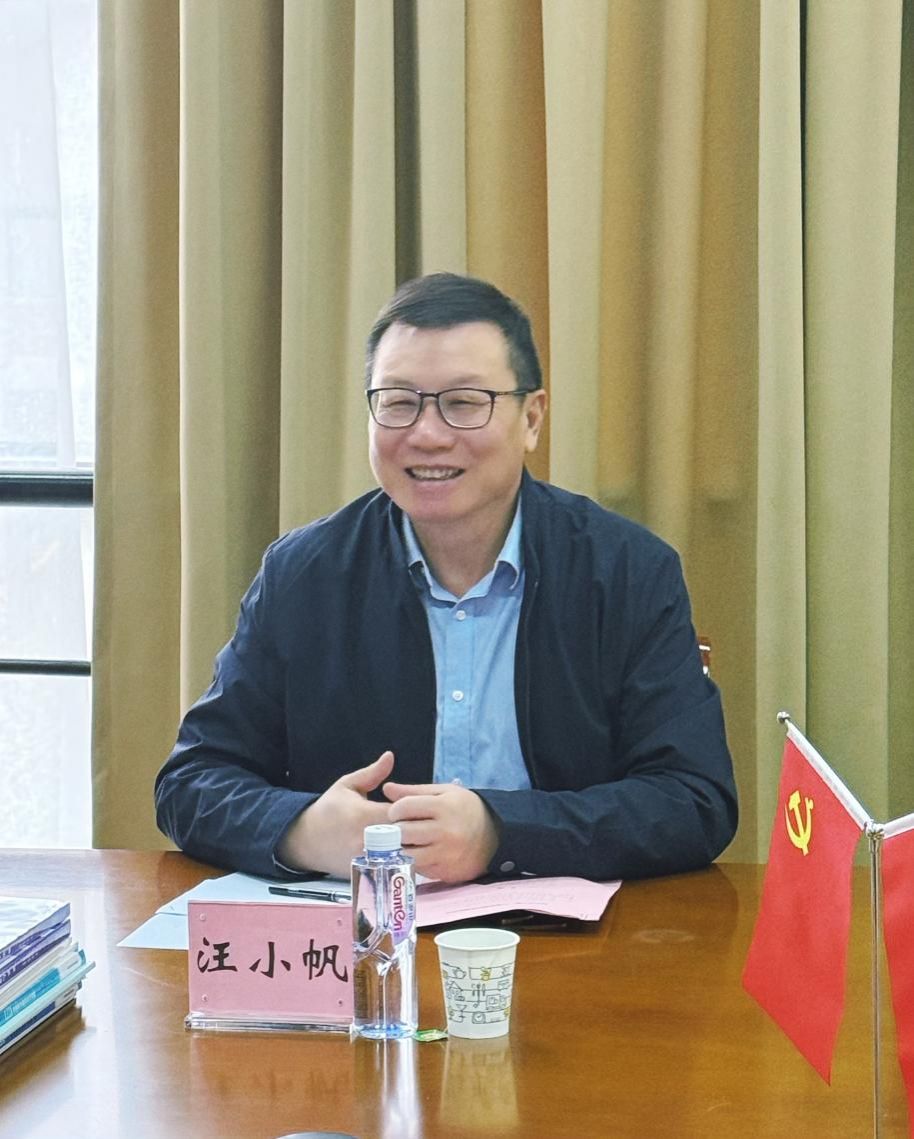
Wang Xiaofan fully affirmed the direction and measures of the reform of the teaching of mathematics and physics public basic courses in the College of Science. He suggested that firstly, strengthening the construction of teaching teams, promoting organized teaching, and continuously discussing, exchanging, and innovating reform measures. The second is to compile and print application-oriented mathematics and physics transformative textbooks for universities, playing a leading role in teaching demonstration. The third is to optimize the curriculum system, flexibly adjust course credits and teaching content based on cutting-edge disciplines and student needs. The fourth is to promote the transformation of teaching modes, innovate teaching methods and means, and cover the "reform dividend" to all teachers and students.
In the face of the wave of artificial intelligence era, the School of Science adheres to the spirit of forging ahead, actively welcomes reform challenges, consolidates consensus for progress, and conducts comprehensive and in-depth exploration in teaching content, methods, capabilities, organization, and guarantees. In the future, the School of Science will continue to deepen the reform of public basic course teaching, actively explore educational and teaching models that meet the needs of the new era, and inject strong impetus into the high-quality development of the school.
(Image/Wen Xitong)




 沪公网安备31012002003754号 沪ICP备09000134号-1
